VR Stress Tester
The VR Stress Tester is designed to analyze how people respond under stress. It involves participants being immersed in various challenging scenarios within a virtual environment. During this process, researchers can alter elements of the scenario and simultaneously track the participants' biometric data, such as heart rate and stress levels, in real-time.
- Timeline
- Feb – Dec 2022
- Category
- VR research tool
- Tools
- Unity, C#
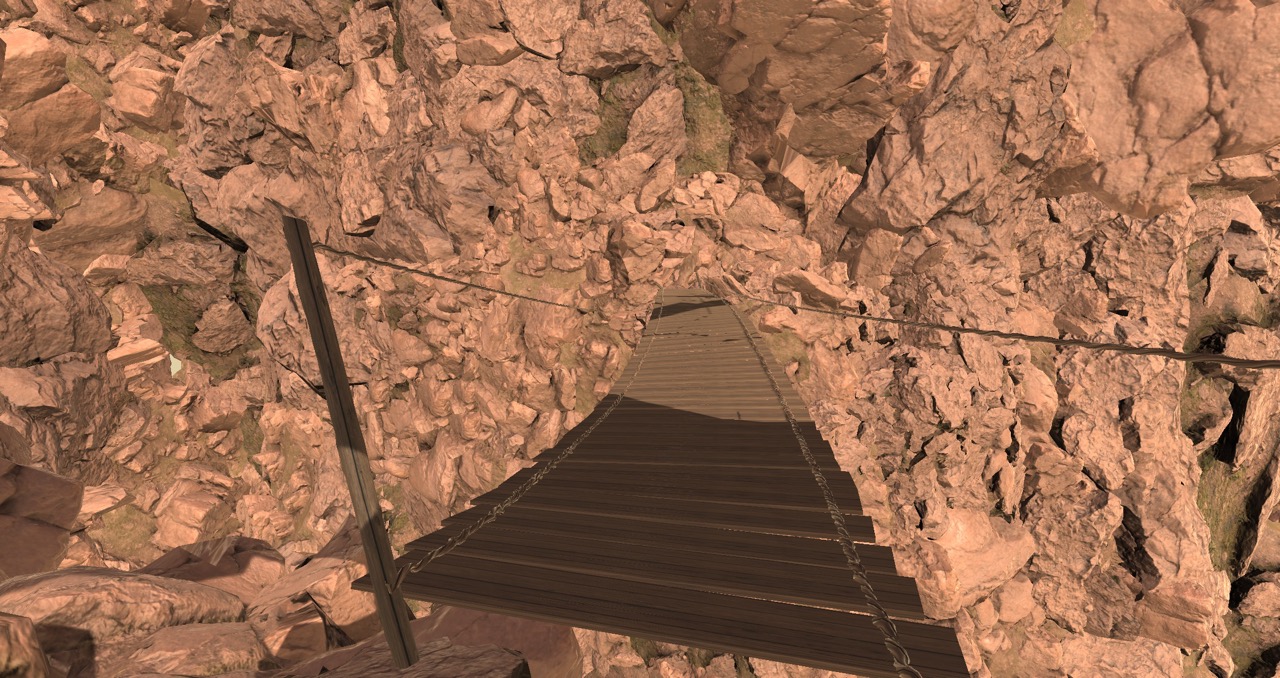
The VR Stress Tester is an innovative research tool designed to analyze how people respond to various stressors in controlled virtual environments. Participants are immersed in challenging scenarios while researchers monitor their biometric data, providing valuable insights for psychology and therapeutic applications.
Acknowledgements
This project was developed for the VESL Lab at the School of Communications, at the request of Firdaus S. Dhabhar, Ph.D., Professor of Psychiatry and Behavioral Sciences, University of Miami. All rights to this project are retained by the lab and its creators. The project is intended for educational and research purposes only.
View Project on VESL Lab Website
The VR Stress Tester was developed to provide a platform for psychological research into stress responses. By immersing participants in various virtual scenarios, researchers can manipulate environmental factors and stress levels in real-time, allowing for a comprehensive analysis of physiological and psychological responses to stress.
Project Overview
- Technical Requirements
- Iterative Development: Scenario Design and Environment Setup
- Iterative Development: Bridge Design and Integration
- Iterative Development: Dynamic Scenario Features
- Final Integration and Testing
Technical Requirements
The VR Stress Tester required a robust technical foundation to ensure accurate simulation and data collection. Key technical requirements included:
- Real-time rendering and performance optimization for smooth user experience in VR.
- Integration with biometric tracking systems to monitor heart rate and stress levels.
- Flexibility to alter scenarios dynamically during the experiment.
Technical Requirements
The development process began with designing a realistic implementation plan for the rickety bridge scenario, which would serve as the primary stressor for participants. The initial step involved creating a virtual environment that would immerse participants in a challenging yet controlled setting.
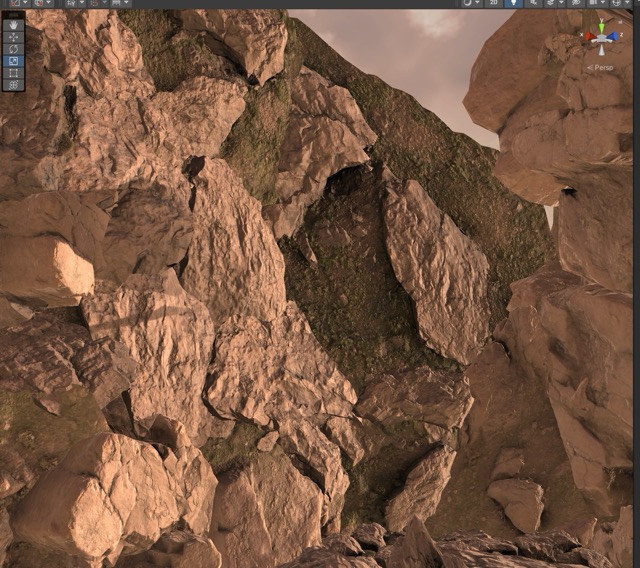
The virtual environment was designed to simulate a rocky canyon with a rickety wooden bridge. This setting was chosen for its visual impact and its ability to induce a moderate level of stress in participants. The environment was built using Unity, with asset placement to create a believable landscape.
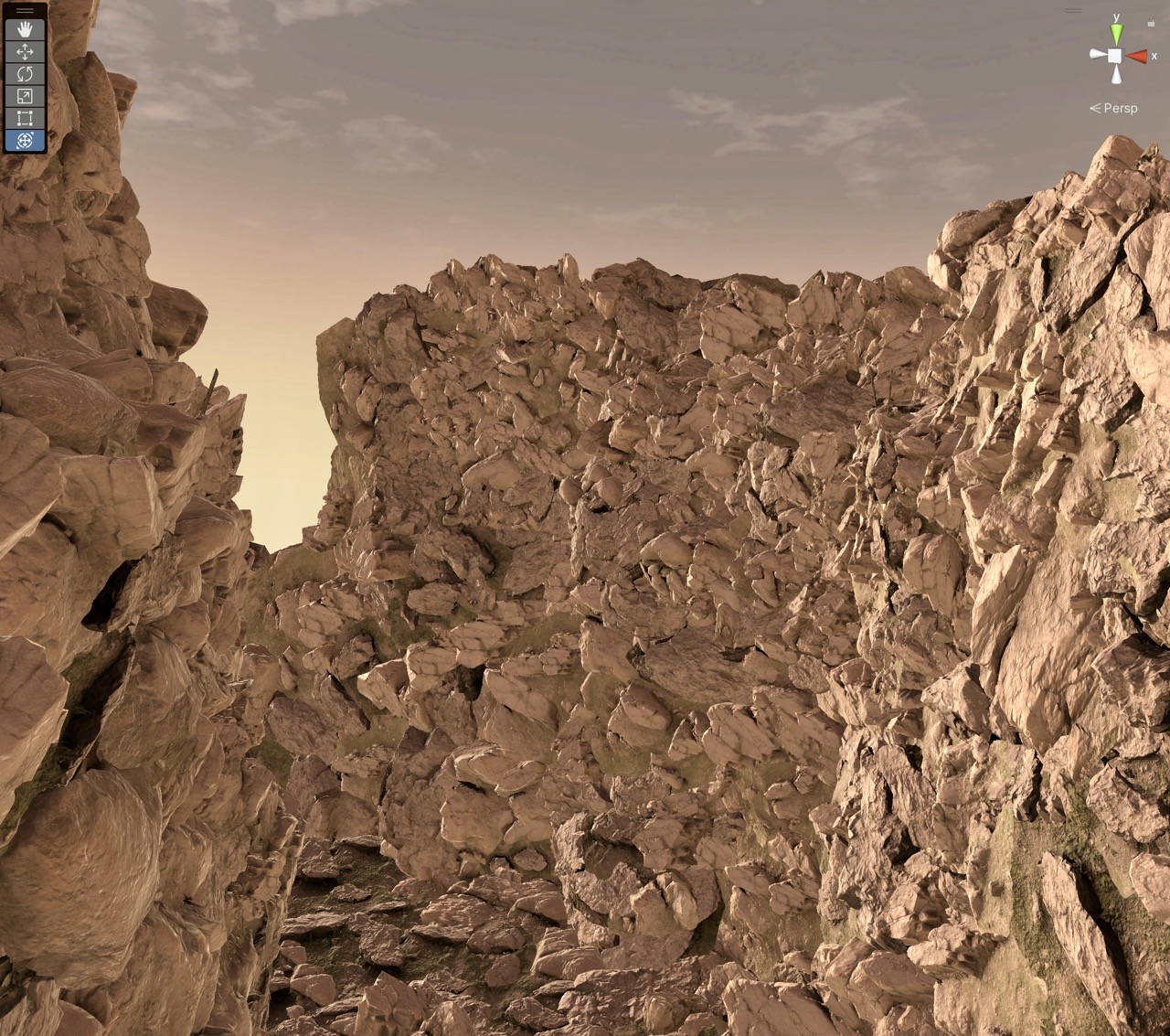
The bottom of the canyon was designed to be separate from the sides, allowing for custom depth adjustments. This was for the purpose of allowing real-time manipulation for the experiment, such as changing the height of the canyon walls. This flexibility was crucial for conducting experiments with varying levels of stress.
Iterative Development: Bridge Design and Integration
One of the most critical components of the VR Stress Tester was the design and integration of the rickety wooden bridge. This bridge serves as a primary stressor in the initial scenario, where participants must cross it while facing various simulated challenges.
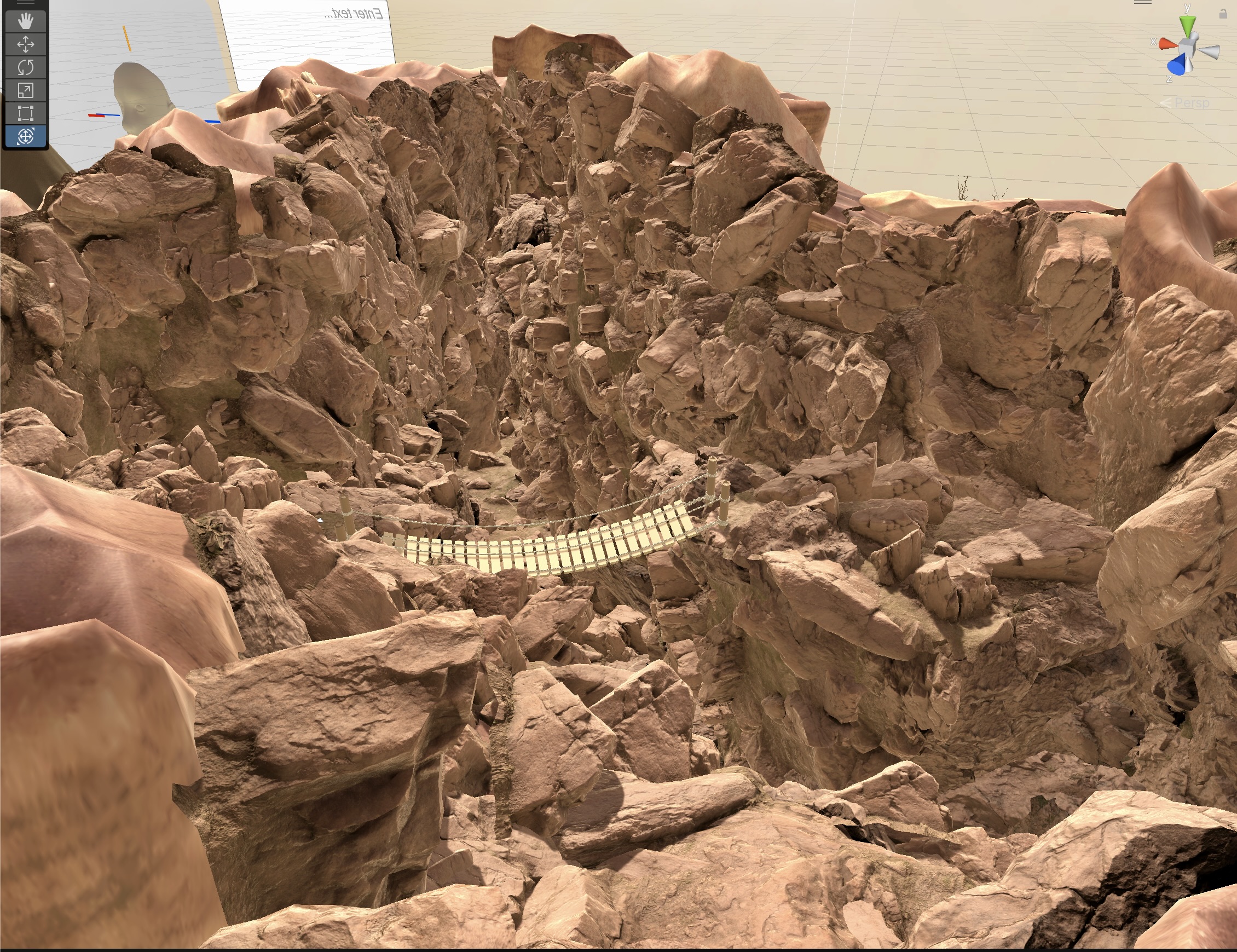
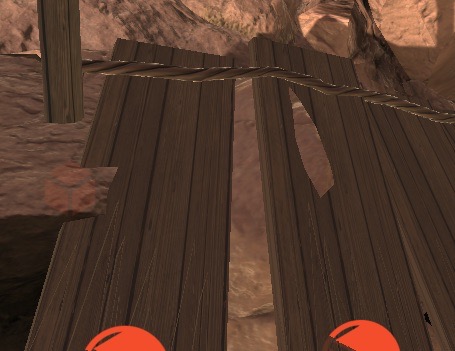
A static wooden bridge asset acted as a placeholder in the initial stages of development. This allowed for early testing of the environment and basic interactions within Unity. However, it was quickly realized that a more dynamic and interactive bridge was needed to effectively simulate stress.
The bridge was built from several assets, including wooden planks and ropes, to create a rickety appearance that would visually convey instability. The design process involved using Blender to modify the wooden planks, so that they could be implemented to randomly break or fall apart during the simulation.
Iterative Development: Dynamic Scenario Features
To enhance the realism and stress-inducing nature of the scenarios, dynamic features were added. These included environmental effects such as changing weather conditions, sounds, and interactive elements that could alter the difficulty of the scenarios based on participant performance.
The ease of controlling these dynamic features in real-time was crucial for the research aspect of the project, as it allowed researchers to manipulate the environment while monitoring participants' biometric data. For example, if a participant was handling the stress well, the researchers could increase the difficulty by adding more environmental hazards or changing the bridge's stability.
Final Integration and Testing
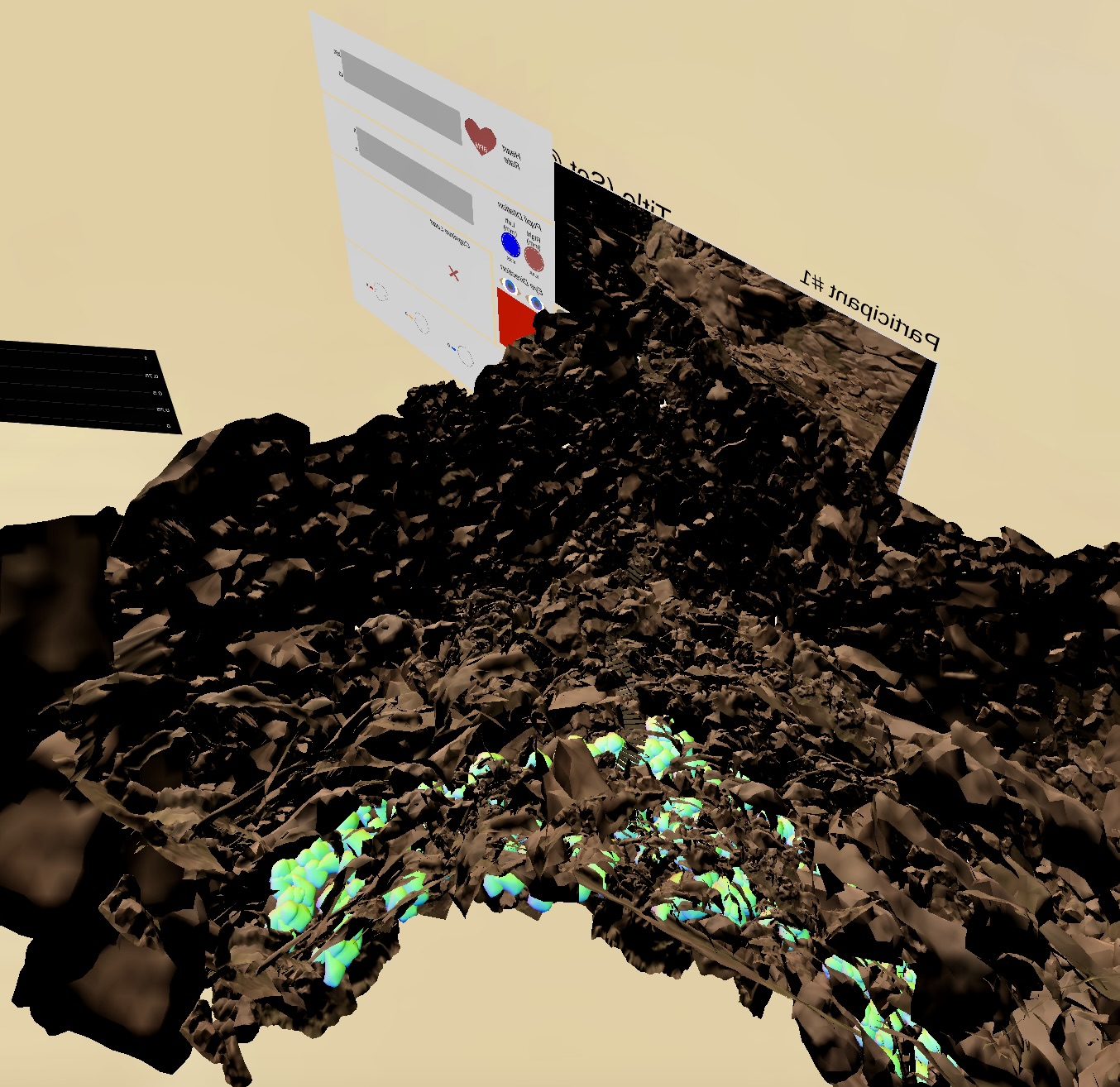
The final integration involved bringing together all components of the VR Stress Tester, including the environment, bridge, and dynamic features. Extensive testing was conducted to ensure that all elements worked harmoniously together in a VR environment. This phase included performance optimization, bug fixing, and ensuring that the educational content was effectively conveyed through the interactive experience.
Asset Credits
Rope physics and interactions in the VR Stress Tester were implemented using the Rope Tool by SideFX Software. This asset provided a robust solution for simulating realistic rope behavior, which was essential for creating immersive scenarios involving physical challenges.
Additionally, the following assets were used in the development of the VR Stress Tester. All assets are licensed under the Standard Unity Asset Store EULA and were crucial in achieving the visual fidelity and interactive elements of the project.
- MC old wod free sample: "MC old wod free sample" by Mcave, licensed under Standard Unity Asset Store EULA. Available on Unity Asset Store.
- Photoscanned MoutainsRocks PBR: "MC old wod free sample" by The Tales Factory, licensed under Standard Unity Asset Store EULA. Available on Unity Asset Store.
- Dry Trees: "Dry Trees" by DigitalAntichrist, licensed under Standard Unity Asset Store EULA. Available on Unity Asset Store.
- Horror Ambient Album - 082318: "Horror Ambient Album - 082318" by GWriterStudio, licensed under Standard Unity Asset Store EULA. Available on Unity Asset Store.
- WorldSkies Free Skybox Pack: "WorldSkies Free Skybox Pack" by PULSAR BYTES, licensed under Standard Unity Asset Store EULA. Available on Unity Asset Store.
- Modular Wooden Bridge Tiles: "Modular Wooden Bridge Tiles" by Laxer, licensed under Standard Unity Asset Store EULA. Previously available on Unity Asset Store, currently deprecated.
- Old Bloody Wood Planks Substance: "Old Bloody Wood Planks Substance" by Tim H., licensed under Standard Unity Asset Store EULA. Available on Unity Asset Store.
- Awesome Free Scans - Wood Logs: "Awesome Free Scans - Wood Logs" by Freya Gameworks, licensed under Standard Unity Asset Store EULA. Available on Unity Asset Store.
- Free Demo Rock: "Free Demo Rock" by Grumpntug, licensed under Standard Unity Asset Store EULA. Previously available on Unity Asset Store, currently deprecated.
- Rope Bridge 3D Model: "Rope Bridge 3D Model" by Blue Polygon, licensed under Standard Unity Asset Store EULA. Available on Unity Asset Store.